
Lafayette, LA · Garage Door Service
Garage Door Repair for Lafayette, LA Homes
Lafayette Garage Door Pros repairs torsion springs, openers, and doors on 1980s-era homes across Lafayette, LA, Scott, Youngsville, serving Acadiana homes.
- Repairs & new doors
- Springs & openers
- Serving 6 nearby communities
What We Do
Garage door services in Lafayette
From a snapped spring to a full door replacement - repairs, springs, openers and new doors.

Garage Door Repair
Off-track doors, snapped cables, bent panels and grinding openers - diagnosed and fixed.
Learn more
Opener Installation
New openers sized to your door, wired, programmed and safety-tested.
Learn more
Off-Track Repair
Doors jumped the track re-set, aligned and re-tensioned so they run true.
Learn more
Cable Repair
Frayed or snapped lift cables replaced and balanced against the springs.
Learn more
Roller Replacement
Worn nylon or steel rollers replaced to kill the grinding and shaking.
Learn more
Maintenance & Tune-Ups
Spring tension, roller and track service that keeps an older door running quiet.
Learn moreCommon Problems
Garage door problems we fix in Lafayette
A stuck or broken garage door can't wait. Call and tell us what the door is doing - a snapped spring, a frayed cable, a door off its track or an opener that won't respond - and leave a spring-loaded door closed until a tech has looked at it.
- Broken springs and snapped cables
- Doors off the track or stuck shut
- Opener, remote and sensor failures
- Noisy, slow or unsafe doors

Why Lafayette Calls Us
How we work on Lafayette garage doors
Safe spring work
Torsion springs are wound with proper winding bars - never a do-it-yourself job.
Cause first, then the fix
The tech finds what failed - spring, cable, roller or opener - before recommending a repair.
We come to you
Service visits across Lafayette and nearby communities.
Repair or replace
For an older door you get a clear comparison of repairing it versus a new door.
Based in Lafayette
A Lafayette-based business you can reach directly by phone.
Call or book online
Call (337) 213-9066 or request a quote online.
How It Works
Getting your door fixed is simple
Tell us the symptom
Call or request a quote and describe what the door is doing - noise, off-track, won't open.
On-site diagnosis
A tech inspects the springs, tracks, opener and panels and gives you a written price first.
Repaired or installed
Most repairs are done on the same visit; installs are scheduled around you.
Our Work
Recent garage door projects in Lafayette
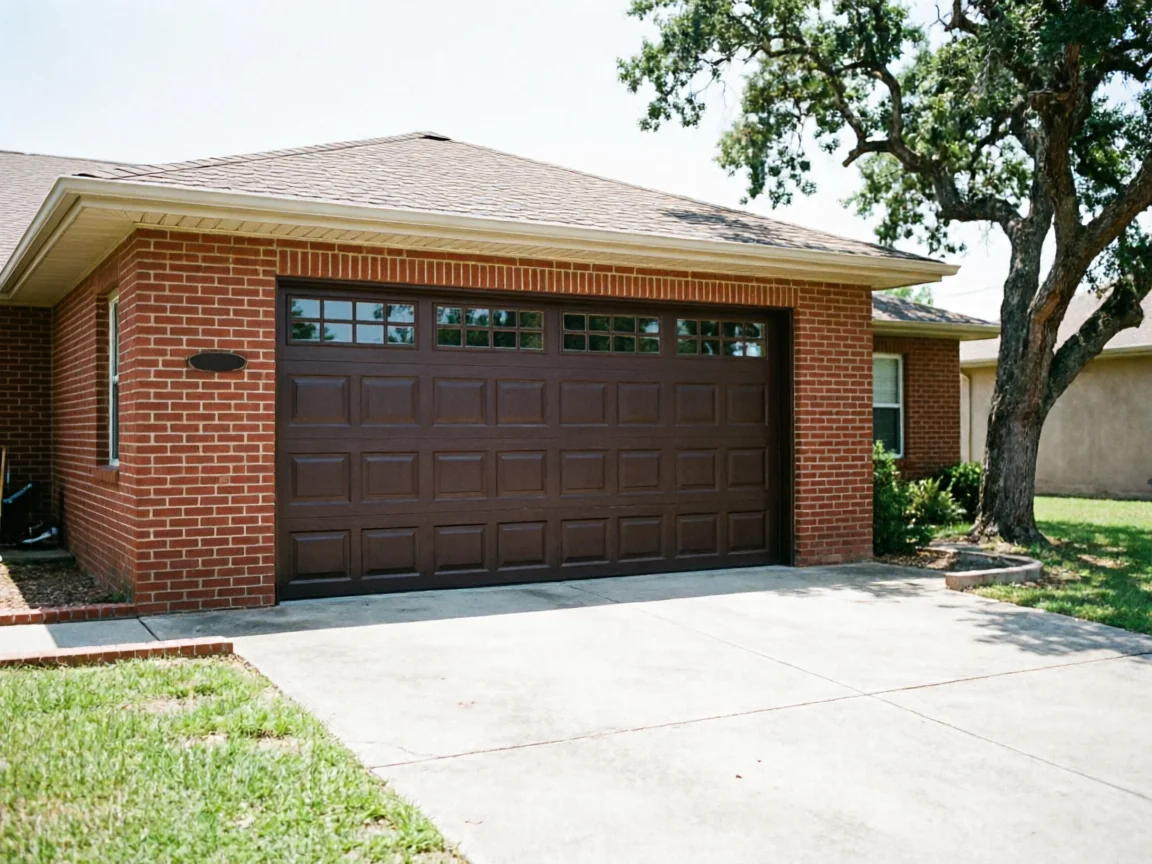
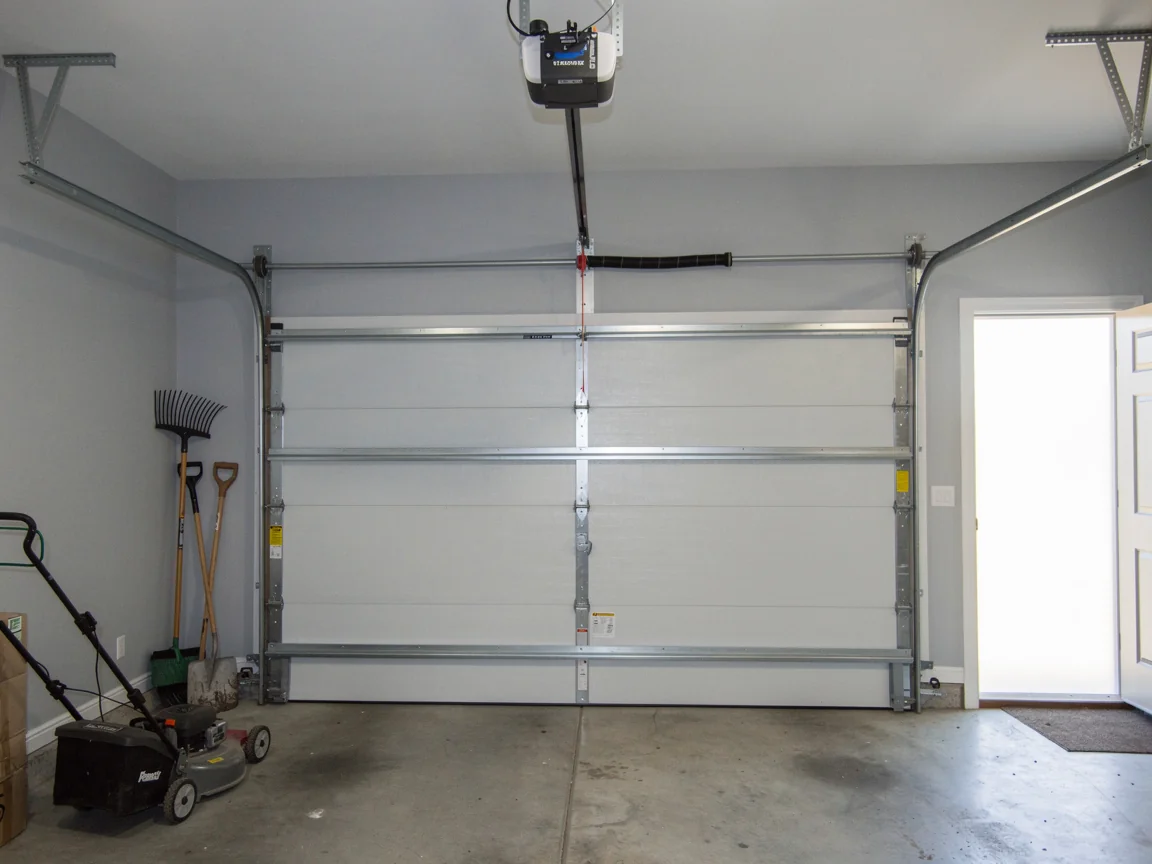
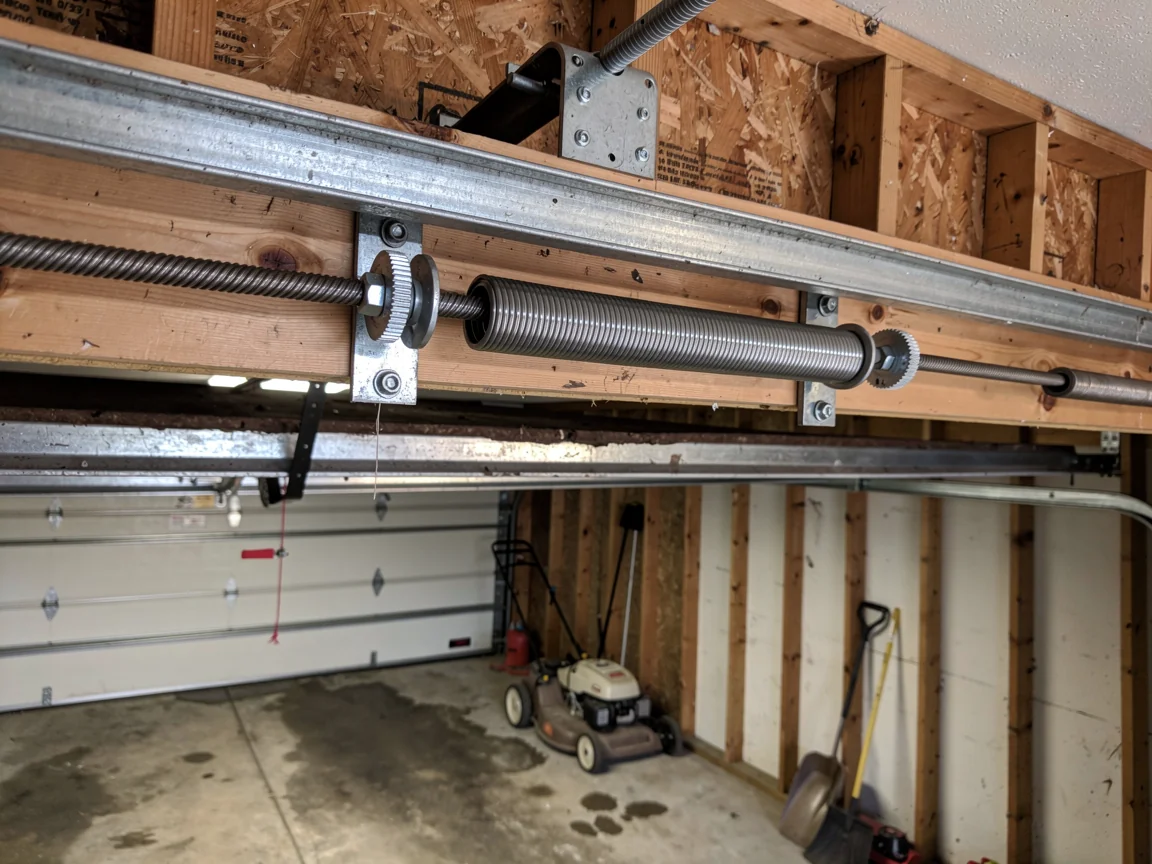
A look at doors, openers and springs we've installed and serviced across the Lafayette metro.
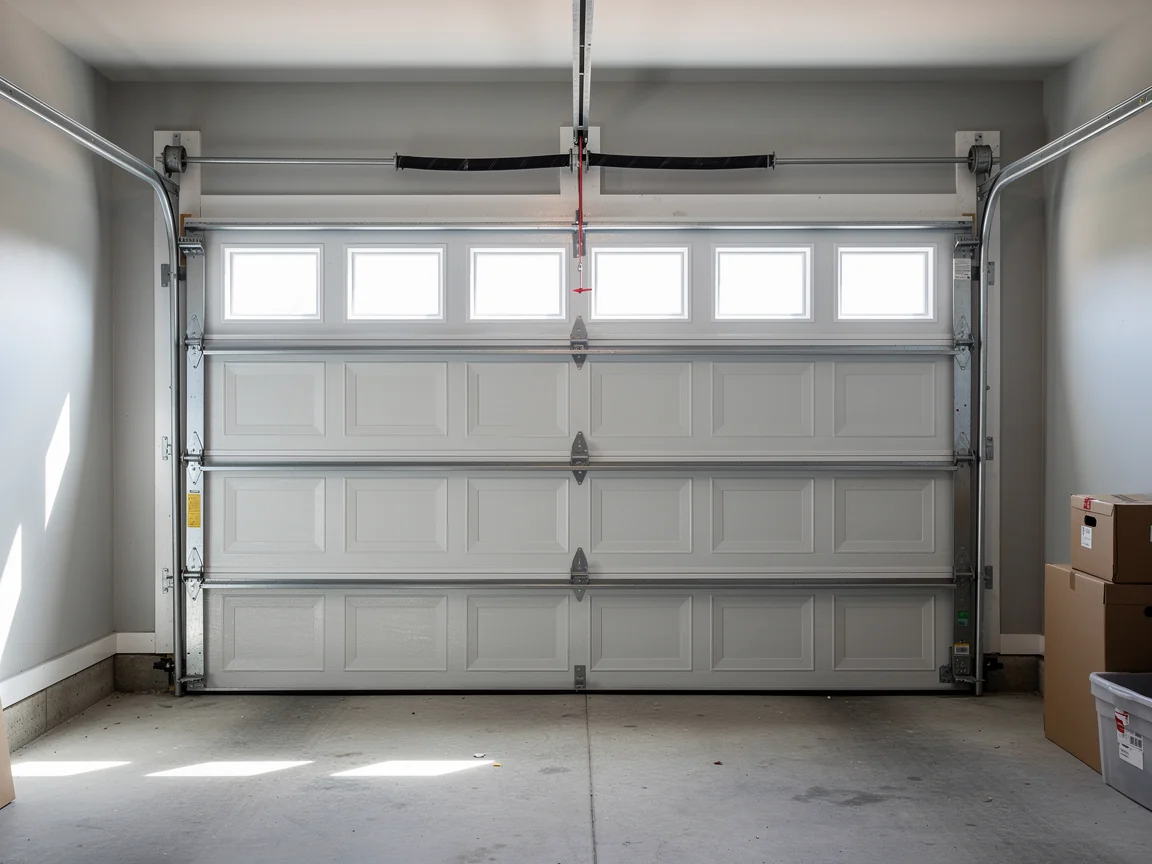
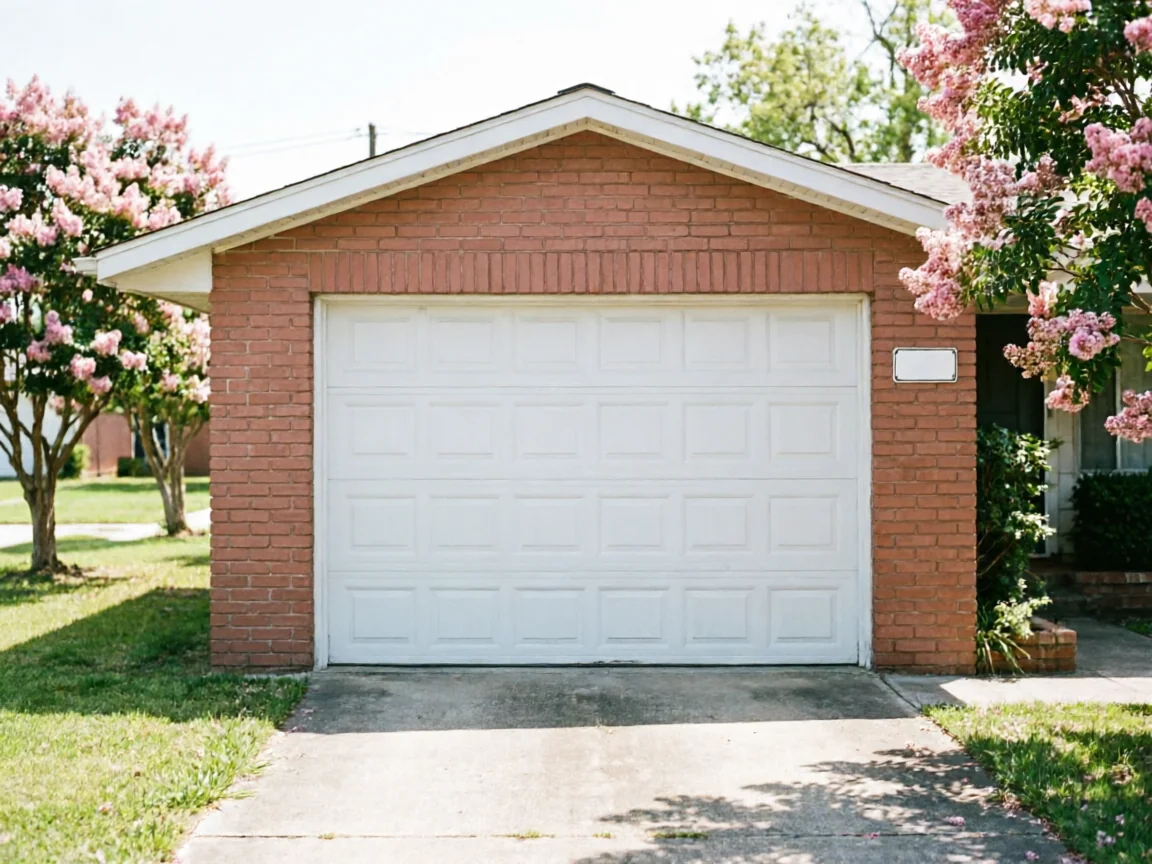
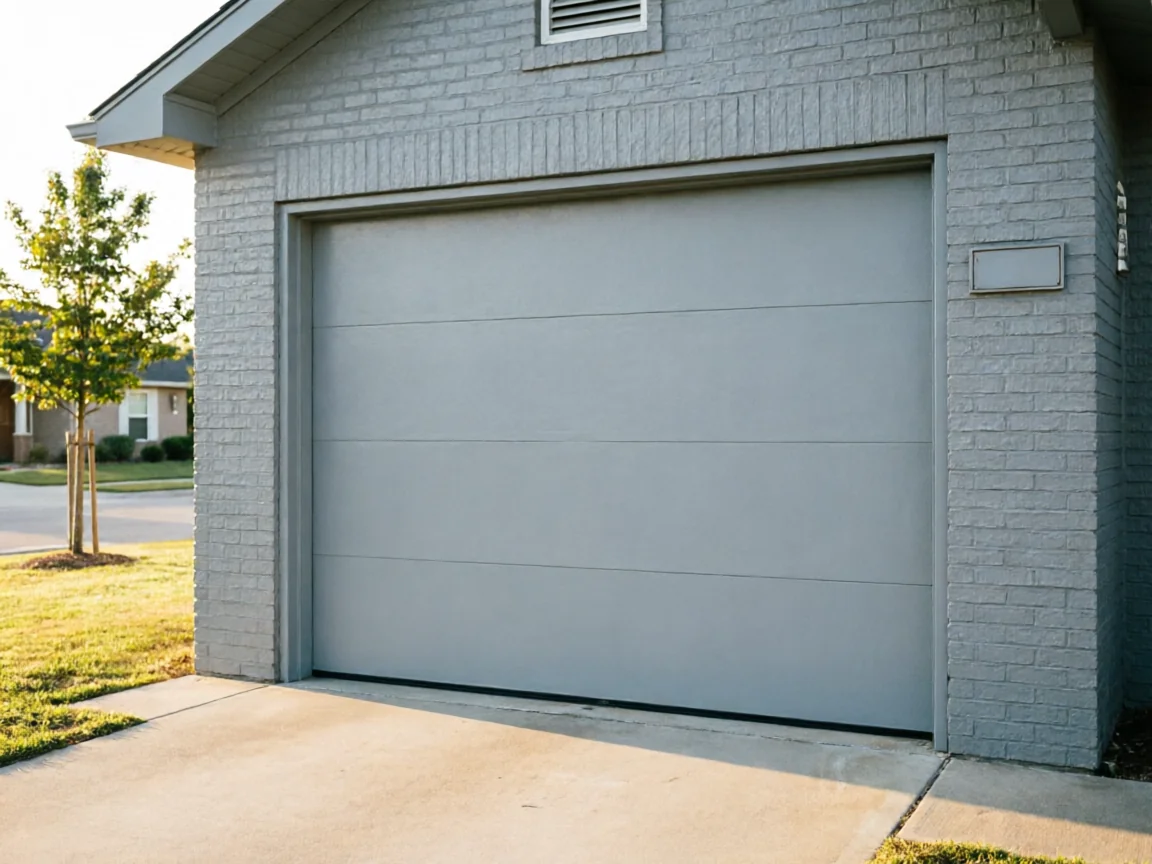
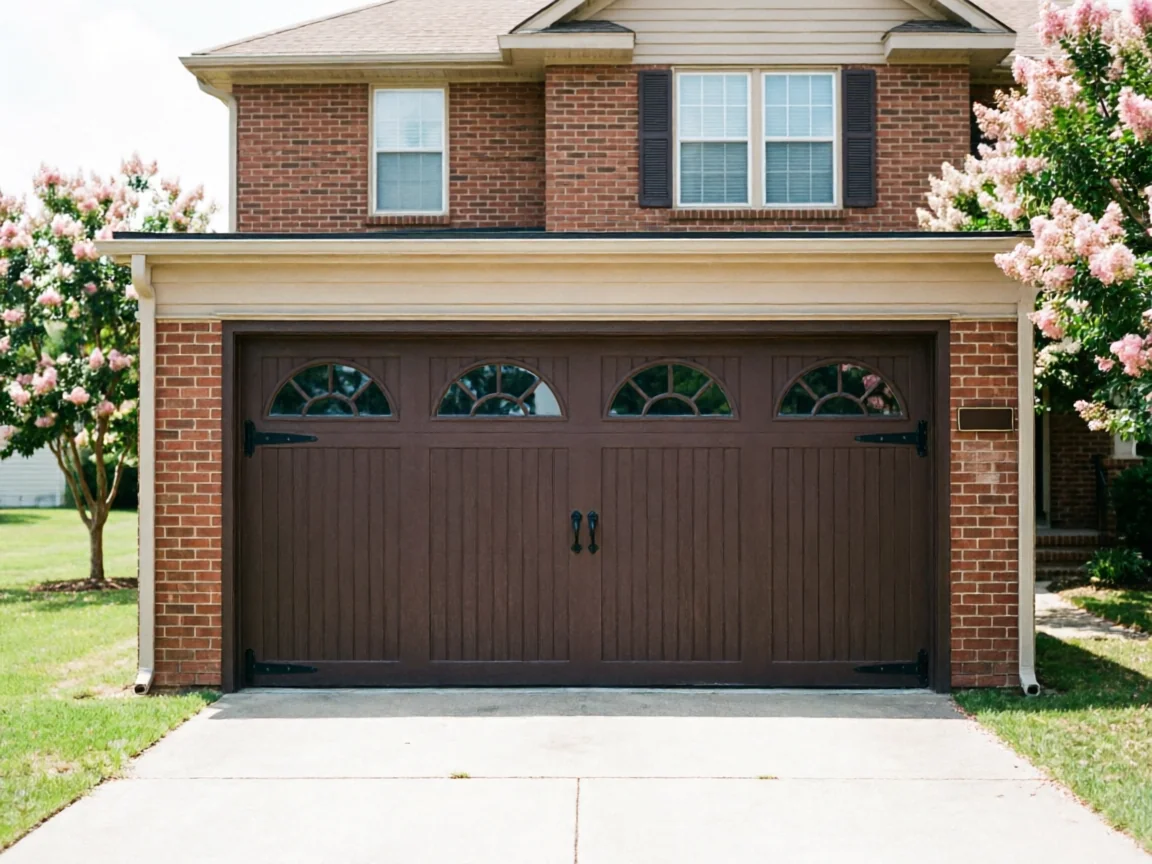
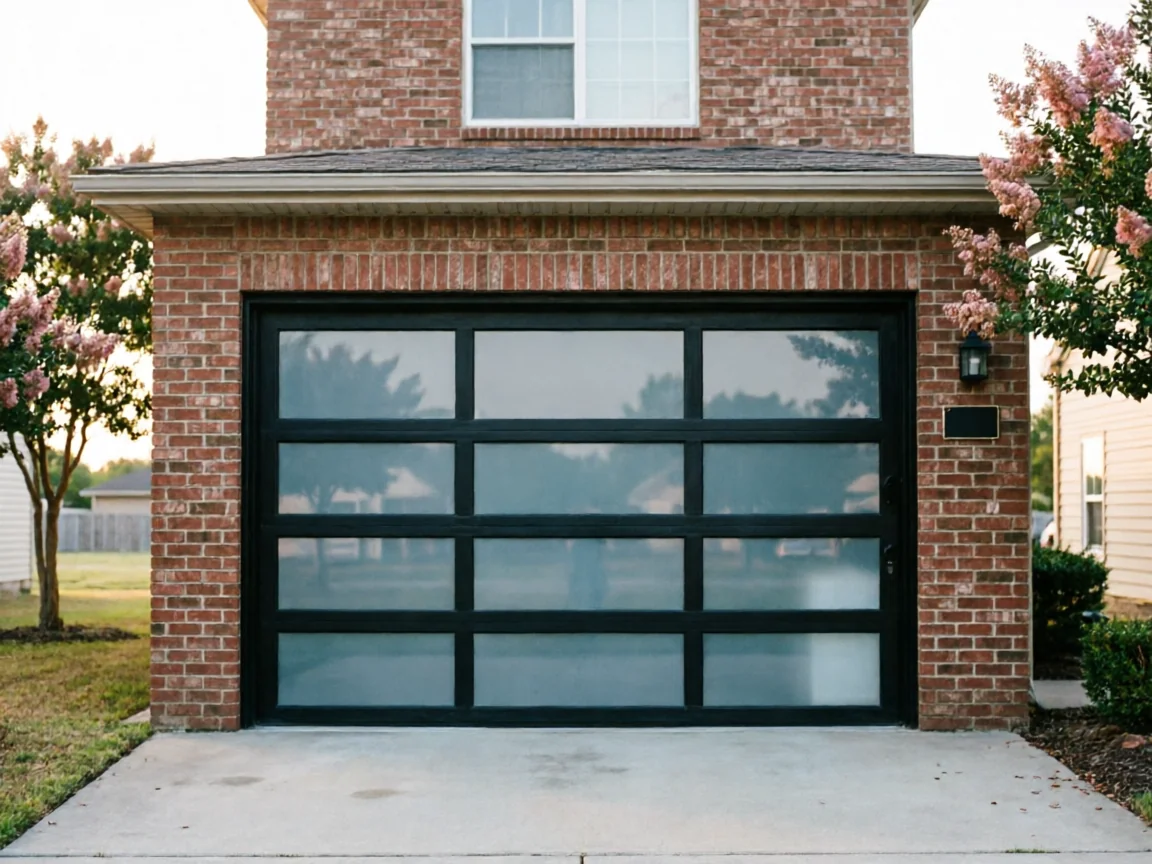
Where We Work
Serving Lafayette & nearby communities
Neighborhoods across the city and suburbs around the metro. Not sure if we reach you? Just ask.
Local Expertise
What to know about garage doors in Lafayette
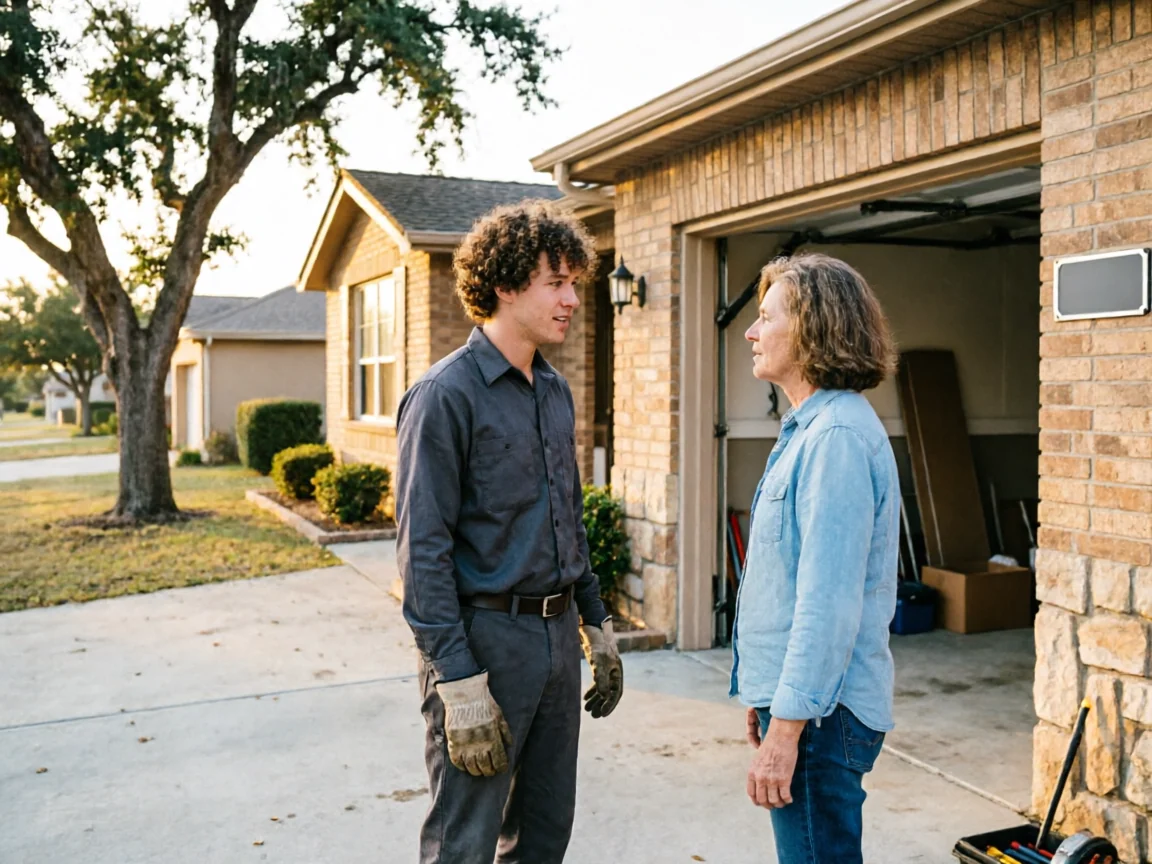
When to Stop Fixing It
If you live on a street that went up in the 1980s, chances are your garage door is original or close to it, and at some point the smart move is replacing it instead of patching it again. We'll tell you straight when a repair isn't worth the call-out: a torsion spring job on a door with a rusted-through bottom panel, or an opener motor replacement on a track that's bent past alignment. Most of the houses we work on here went up between 1966 and 2011, with the typical build year sitting at 1983, and a door from that era has usually had one or two owners, a few spring swaps, and zero upgrades to the safety sensors that newer code requires. We don't push full replacements to pad a ticket. If a cable snapped and the drum, track, and panel are sound, we fix the cable and send you on your way. But if you're calling us every year for the same symptom, we'll say so, and we'll walk you through what a new door costs versus what you've already put into the old one. That's the honest math, not a sales pitch.
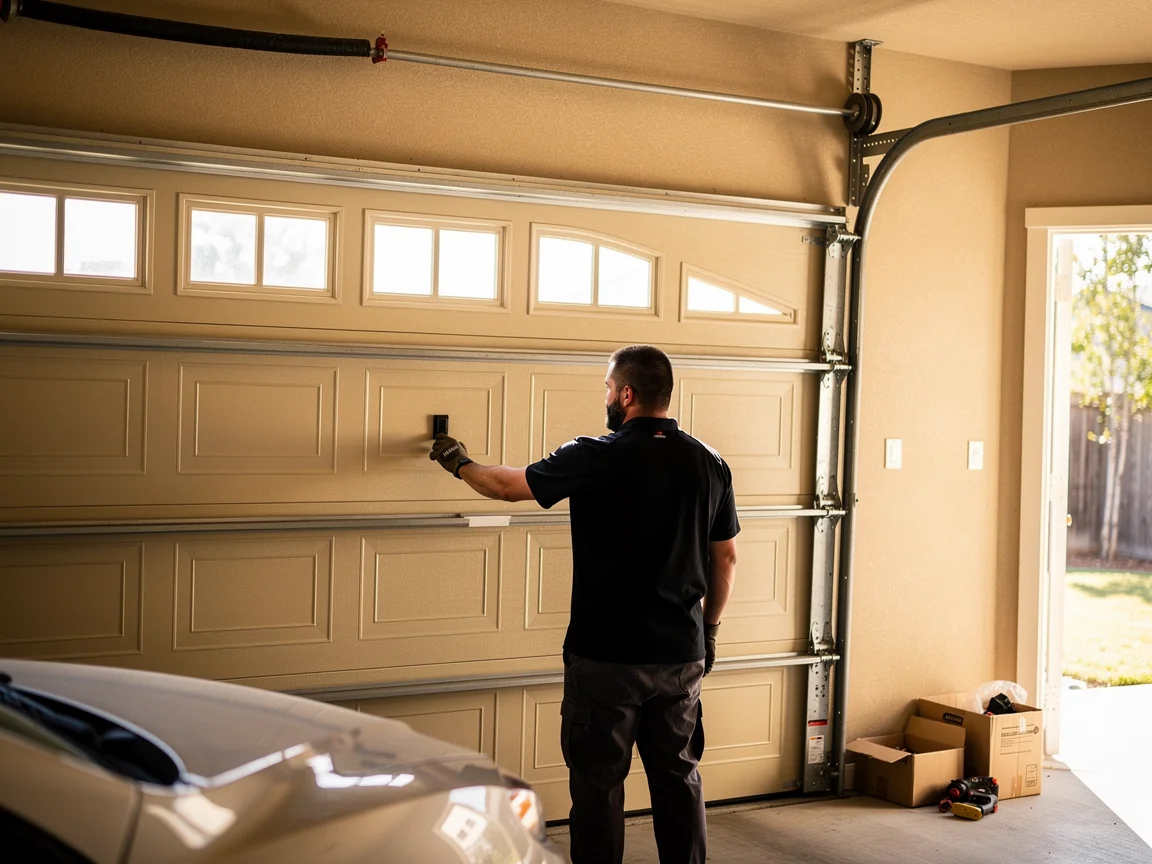
What Happens When You Call
You tell us what the door is doing - won't open, opens and reverses, makes a grinding noise, one side hangs lower than the other - and we ask a few questions about the age of the door and whether it's ever been serviced. From there we get a truck out to you. On site, the first thing we check is the spring and cable system, since that's where most no-start calls come from, followed by the opener's travel limits and safety reversal. We carry common torsion spring sizes and roller hardware that fit the 1980s and 90s stock that makes up most of the service area, so a lot of jobs get closed out in one visit. If a part isn't something we carry on the truck - certain opener logic boards or discontinued panel sections - we'll tell you that up front and give you a timeline instead of a guess. We don't believe in quoting a job over the phone before we've put eyes on the spring wire gauge and the track condition, because guessing wrong either shortchanges you or costs you a second trip.
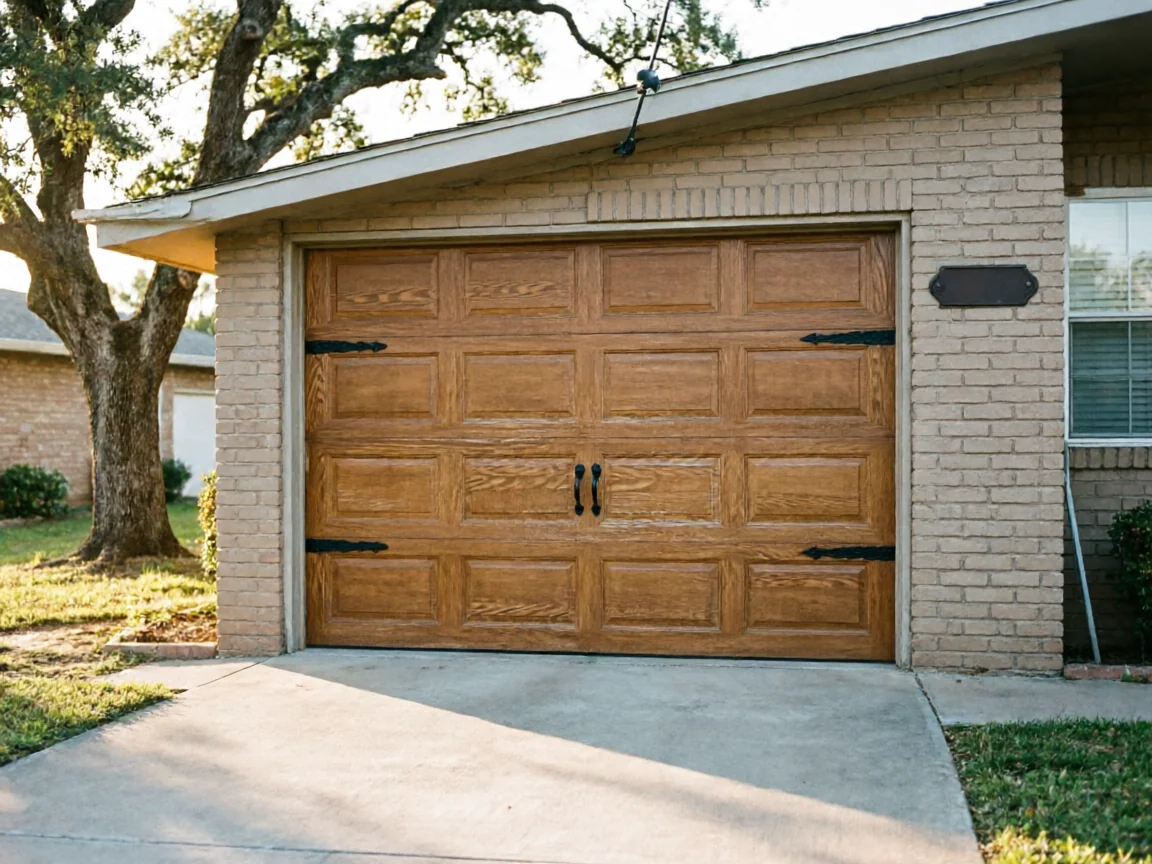
What It Costs and Why
A garage door bill is mostly parts plus the time it takes to do the job safely, and both of those swing with the age and type of the door. A broken torsion spring on a double door costs more in parts than a single spring on a one-car door, and an opener with a worn gear kit costs less than one with a dead circuit board. We don't quote a number here because it depends on what's actually wrong, and anyone who gives you a flat price before seeing the door is guessing. What we can tell you is that in a service area where median household income sits at $49,419, we try to repair before we replace whenever the hardware allows it - a new bottom panel instead of a whole new door, a rebuilt spring system instead of a full teardown. That keeps the bill closer to what the fix actually required. We'll always give you the price before we start the work, not after, and if a repair doesn't make financial sense next to replacement, we'll say so rather than let you spend money twice.
What Breaks Around Here
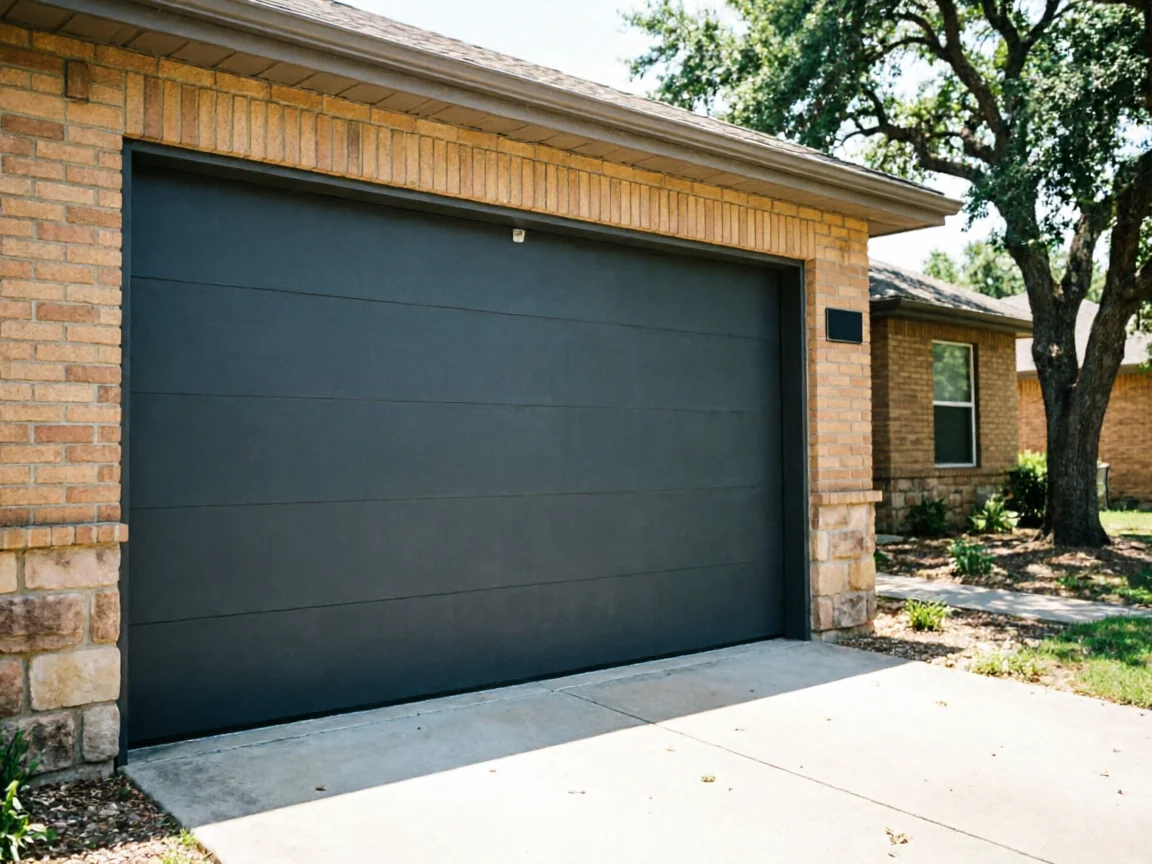
The climate band here is mild with only occasional freezes, so we don't see the ice-locked tracks and frozen rollers that shops further north deal with every winter. What we do see is heat and humidity fatigue - springs that stretch and lose tension faster than the manufacturer's rated cycle count, and steel tracks that pick up surface rust where moisture sits without a hard freeze to dry things out. Combine that with housing stock concentrated in the 1980s and 90s across the twenty-one communities we cover, from Scott out to New Iberia, and you get a lot of original torsion hardware that's thirty-plus years into a fifteen-to-twenty-year service life. The other common call is opener failure - older chain-drive units with worn drive gears, or logic boards that finally give out after years of humidity exposure. We don't see much snow-load or ice-dam damage, which is a different conversation than you'd get in a colder climate. What we see instead is slow mechanical wear from heat cycling and the kind of corrosion that comes from humid air, not standing water.
What Gets Built Around Here
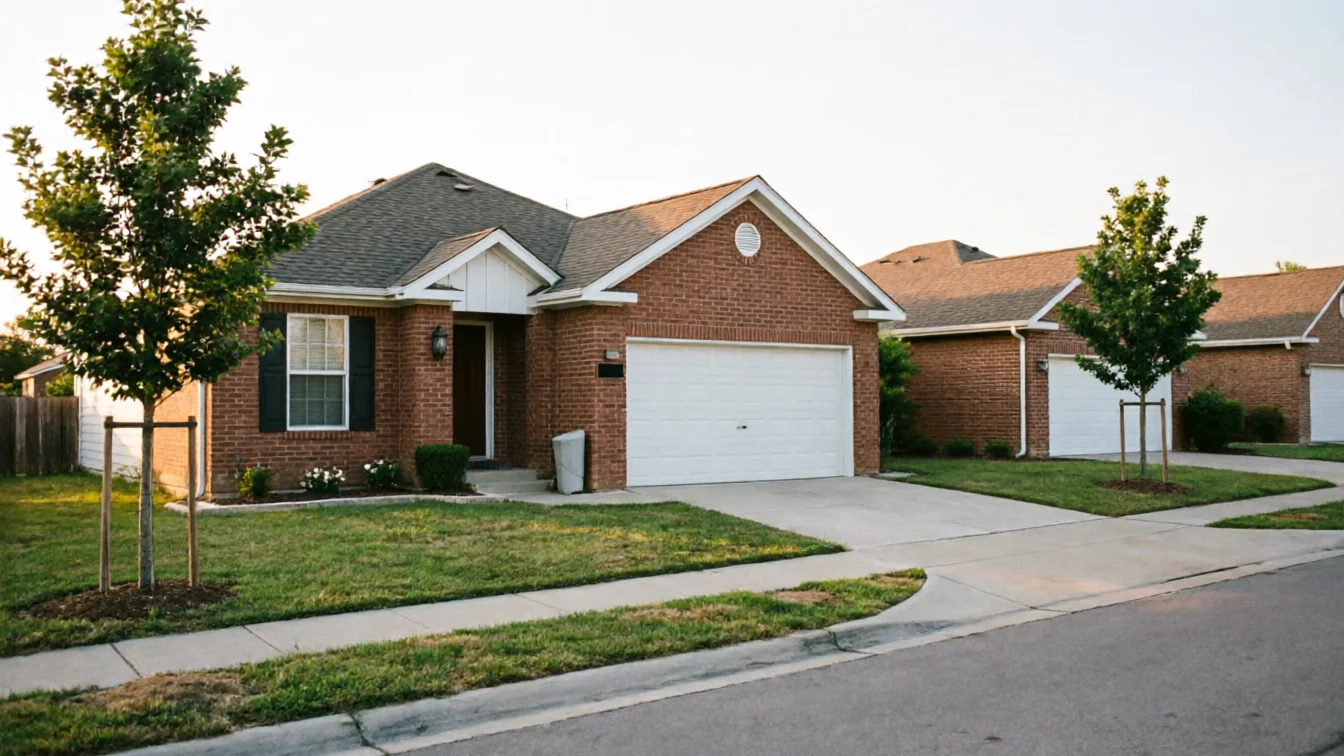
Across this service area's 51,543 households, 28,273 are owner-occupied, and those are the driveways we're usually parked in. The housing stock runs from 1966 up through more recent 2011 construction, with the bulk clustering in the 1980s and 90s - which means most garage doors we see are steel sectional panels on extension or torsion spring systems that were standard builder-grade at the time, not the insulated, high-cycle doors going into newer construction today. With towns like Judice sitting just seven miles southwest and Scott five miles out, the building patterns repeat across a fairly tight radius: similar era, similar door brands, similar failure points. Newer builds closer to town tend to come with torsion systems and photo-eye safety sensors already installed to current code, while the older stock further out still runs original hardware that's never been touched. When we show up to a job, the build year tells us almost as much as the symptom does - it narrows down whether we're dealing with a spring that's original to the house or one that's already been swapped once before.
Good to Know
Frequently asked questions
How old does a garage door have to be before replacement makes more sense than repair?
There's no single cutoff, but a door from the 1980s or earlier that's on its second or third spring, has a pitted track, and still runs an opener without modern safety reversal is usually past the point where repair pays off. We look at the door in front of us rather than going by age alone.
Do you work on doors outside the city itself?
Yes. We cover the surrounding area including Scott, Broussard, Youngsville, Judice, Carencro, and the other towns within roughly a twenty-mile radius of Lafayette.
Why did my spring break with no warning?
Torsion springs are rated for a set number of open-close cycles, and heat cycling in this climate can shorten that life compared to the manufacturer's estimate. Most springs give some warning - sagging, noise - but a fully fatigued coil can let go without much notice.
Can you fix just the opener without touching the door itself?
Often, yes. If the track, rollers, and spring system are sound and the problem is the motor, gears, or sensors, we can replace or repair the opener on its own. We'll tell you during the visit if the door's condition means it's not worth separating the two jobs.
Need a garage door fixed in Lafayette?
Call now or request a quote - tell us what the door is doing and where you are.